
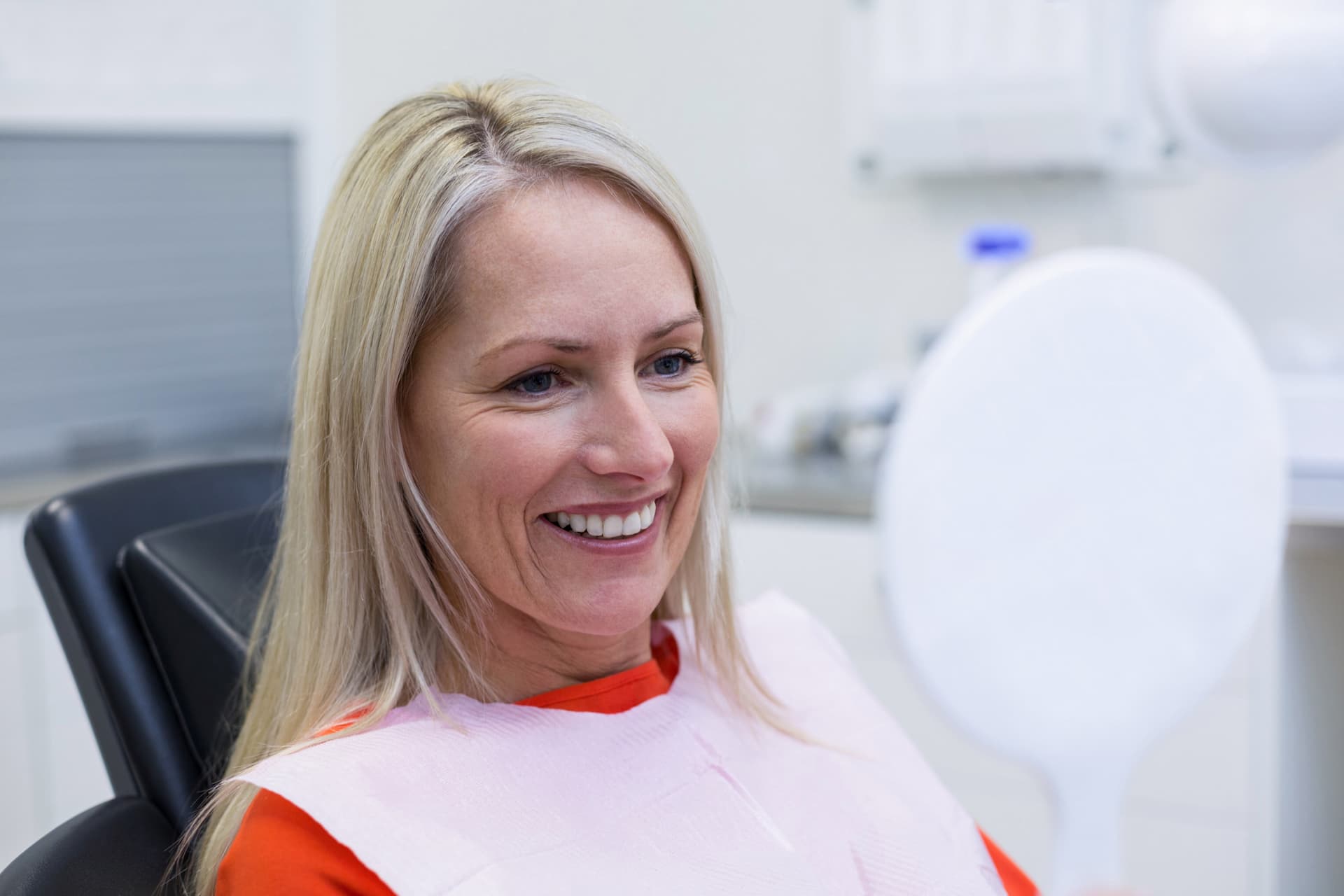
A brighter smile is consistently ranked among the most desired aesthetic improvements in dentistry. For residents in Cookeville and the Upper Cumberland region, the decision to whiten teeth often begins with a fundamental question: Should one opt for professional treatment at a dental office or purchase a kit from a local pharmacy? While both approaches aim to remove stains and lighten enamel, they differ dramatically in speed, safety, strength, and long-term value. This guide, part of a broader exploration of comprehensive dental care in Cookeville and cosmetic dentistry solutions, provides an evidence-based comparison to help you make an informed choice about whitening your smile safely and effectively.
Table of Contents
Key Takeaways | Professional vs. OTC Comparison | How Whitening Works | Professional Whitening Deep Dive | OT Options Analyzed | Safety and Sensitivity |Cost Analysis | Local Considerations |FAQs
Key Takeaways (TL;DR)
- Professional whitening delivers faster, more dramatic results using higher concentrations of peroxide under controlled conditions, often achieving 6-10 shades lighter in one hour.
- Over-the-counter products are convenient and affordable but contain lower active ingredients, requiring weeks of consistent use for modest results (2-4 shades).
- Safety hinges on professional oversight. Dentists screen for cavities and gum disease before whitening to prevent severe pain and chemical burns, a step missing from OTC use.
- Custom-fitted trays from a dentist minimize gum irritation and wasted gel compared to one-size-fits-all boil-and-bite trays or strips.
- Long-term cost may favor professional care. While OTC is cheaper upfront, frequent repurchasing to maintain results can surpass the cost of a single professional treatment and touch-ups.
Professional vs. OTC Whitening: Head-to-Head Comparison
This table distills the critical differences between whitening under the supervision of a dentist in Cookeville and the options available on the shelves of local retailers.
How Does Teeth Whitening Actually Work?
Regardless of where you obtain it, the chemistry behind whitening is similar. The active ingredients—hydrogen peroxide or carbamide peroxide—break down into oxygen molecules. These oxygen molecules penetrate the porous enamel layer and react with the discolored molecules (chromogens) trapped inside, breaking the bonds that hold them together. This chemical reaction scatters light differently, making the teeth appear whiter.
The key differentiator between professional and OTC options lies in the concentration of the peroxide, the delivery method (how well it stays on the teeth), and the supervision of a trained dental professional. According to the American Dental Association (ADA), using products with the ADA Seal of Acceptance ensures they have been evaluated for safety and efficacy, but professional application remains the gold standard for predictable results.
Professional Teeth Whitening: A Closer Look
Professional whitening encompasses two primary modalities available at dental practices in the Cookeville area: powerful in-office treatments and customized take-home kits.
In-Office Power Whitening
This method is designed for patients seeking immediate, dramatic results. The procedure typically takes 60 to 90 minutes.
- Preparation: A protective barrier or “rubber dam” is painted onto the gums to shield soft tissue from the high-concentration gel. Cheek retractors keep the lips away from the teeth.
- Application: A potent whitening gel (usually 25-40% hydrogen peroxide) is applied to the teeth. Some systems use a specialized LED or laser light to accelerate the chemical reaction, though the gel itself is the active agent.
- Result: Teeth can lighten 6 to 10 shades in a single session. This is ideal for special events or jumpstarting a smile makeover.
Professionally Dispensed Take-Home Trays
This option offers a balance of professional oversight and at-home convenience. It is often more affordable than in-office whitening while still providing superior results to OTC products.
- Custom Trays: A dentist takes impressions of your teeth to create thin, flexible plastic trays that fit snugly against your unique dental arch. This precise fit prevents the gel from leaking onto gums and ensures even coverage of the teeth.
- Professional-Grade Gel: Patients receive syringes of carbamide peroxide or hydrogen peroxide gel (typically 10-22% concentration).
- Treatment Schedule: Trays are worn for a specified period each day or overnight for 1-2 weeks. Results are gradual and can be controlled by the patient.
Over-the-Counter Whitening Options Analyzed
Walk down any dental aisle in Cookeville’s Jackson Plaza or Shoppes at Eagle Point, and you’ll find a dizzying array of choices. While convenient, they come with inherent limitations.
Whitening Strips
Thin, flexible plastic strips coated with a low-concentration peroxide gel. They are easy to apply but often fail to reach the curved contours of teeth, particularly near the gumline or between teeth. This can result in “patchy” whitening where the centers of teeth are bright but edges remain yellow.
Whitening Pens and Gels
These paint-on applicators allow for targeted application but are quickly diluted and washed away by saliva. They are best for very minor touch-ups rather than whole-mouth whitening.
Boil-and-Bite Trays
A thermoplastic tray is softened in hot water and then molded over the teeth by biting down. While slightly better than strips, the fit is imprecise. Gaps allow saliva to seep in, diluting the gel. Excess gel can also squeeze out, irritating or burning the gums. Because the tray is not trimmed by a professional, it often covers gum tissue unnecessarily.
Whitening Toothpaste and Mouthwash
These products rely on mild abrasives or very low levels of peroxide (sometimes just 1%). They are effective at removing surface stains from coffee or tea but do not change the intrinsic color of the teeth. They are best used as maintenance between professional treatments, not as a primary whitening method.
Safety Concerns and Managing Sensitivity
The most significant advantage of professional whitening is the safety screening process. Whitening agents can cause excruciating pain if they come into contact with microscopic holes in teeth caused by cavities, or with exposed root surfaces from gum recession.
⚠️ Important Safety Warning
Never use whitening products (OTC or professional) on teeth that have active decay, cracked fillings, or severe gum disease. If you have not had a dental checkup in the last year, whitening should wait until after a professional cleaning and exam.
Tooth sensitivity is a common, temporary side effect of any whitening procedure. It occurs as the peroxide penetrates the enamel and temporarily inflames the nerve. Professional products often include desensitizing agents like potassium nitrate and fluoride. Dentists can also recommend pre-treatment desensitizing toothpaste use (e.g., Sensodyne) for two weeks prior to whitening to minimize discomfort.
Cost Analysis Over Time: Professional vs. OTC
Educational Cost Disclaimer
The following cost comparisons are for general educational and research purposes only. They do not represent the specific pricing or fees of any particular dental practice in Cookeville, including Hayes Family Dentistry. Exact treatment costs can only be determined after a personalized clinical examination and consultation.
While a box of whitening strips costs significantly less than an in-office visit, the true cost comparison requires evaluating frequency of use and longevity of results.
The custom trays provided by a dentist last for years. Once the initial whitening phase is complete, patients only need to purchase affordable gel refill syringes occasionally to combat new stains from coffee or wine. In contrast, OTC users often find themselves buying a new box every month to maintain a baseline level of brightness.
Local Considerations for Cookeville and Upper Cumberland Residents
Lifestyle factors in the Upper Cumberland can influence the choice between whitening methods. For busy professionals commuting to Nashville or working at Tennessee Tech, the one-hour in-office treatment offers a time-efficient solution with zero daily hassle. For those who prefer a gradual, controlled approach and don’t mind wearing trays while relaxing at home in Algood or Baxter, take-home kits are ideal.
Furthermore, local water quality (whether well water or city water) and dietary habits—like enjoying sweet tea from a favorite Cookeville restaurant—contribute to surface staining. A professional consultation can identify the specific type of stain (intrinsic vs. extrinsic) affecting your teeth, ensuring you don’t waste money on a whitening method that won’t work for your particular situation.
Frequently Asked Questions About Teeth Whitening
Will whitening work on crowns, veneers, or fillings?
No. Whitening agents only affect natural tooth enamel. Existing dental work—including composite bonding, porcelain veneers, and ceramic crowns—will not change color. If you plan to whiten your teeth and have visible restorations, it is best to whiten first, then replace the restoration to match the new, lighter shade.
How long do whitening results last?
Longevity depends heavily on diet and lifestyle. Avoiding staining substances like coffee, red wine, tobacco, and dark berries will extend results for years. For most patients, professional whitening lasts 6 months to 2 years before a simple “touch-up” with a gel refill is desired.
Are LED lights necessary for whitening?
The peroxide gel is the active ingredient that whitens teeth. LED or laser lights primarily function to accelerate the breakdown of the gel, which can speed up the in-office procedure. While they may enhance the initial result slightly, they are not required for effective whitening, especially with take-home trays.
Can I whiten my teeth if I am pregnant or nursing?
Elective cosmetic procedures, including teeth whitening, are generally deferred until after pregnancy and nursing. While no studies have shown definitive harm, there is a lack of research on the safety of peroxide ingestion during these periods. Most dentists recommend waiting.
Why did my teeth become splotchy with OTC strips?
Splotchiness or “zebra stripes” occur because flat whitening strips do not conform to the curved anatomy of teeth. The gel contacts the high points (the middle of the tooth) more effectively than the edges near the gumline, resulting in uneven whitening. Custom trays solve this by ensuring uniform gel contact across the entire tooth surface.
People Also Search For
- How to remove coffee stains from teeth fast
- Whitening toothpaste that actually works
- Cost of Zoom whitening vs. laser whitening
- Natural ways to whiten teeth without damage
- Why are my teeth yellow even though I brush twice a day?
About the Author
Dr. Kevin Hayes is a dentist serving Cookeville and the Upper Cumberland region. He provides comprehensive cosmetic evaluations to help patients determine the safest and most effective whitening strategy for their unique smiles. By examining the underlying cause of discoloration and ensuring a healthy oral foundation, Dr. Hayes helps patients achieve the bright, confident smile they desire. Learn more about Dr. Hayes or visit the cosmetic dentistry page for more information.
Sources & References:
- American Dental Association (ADA) – Statement on Tooth Whitening Safety and Efficacy
- Journal of the American Dental Association (JADA) – Clinical Studies on Peroxide Concentration
- American Academy of Cosmetic Dentistry (AACD) – Whitening Trends and Patient Satisfaction
- Cochrane Database of Systematic Reviews – Interventions for Tooth Whitening
Last reviewed: April 2026
