
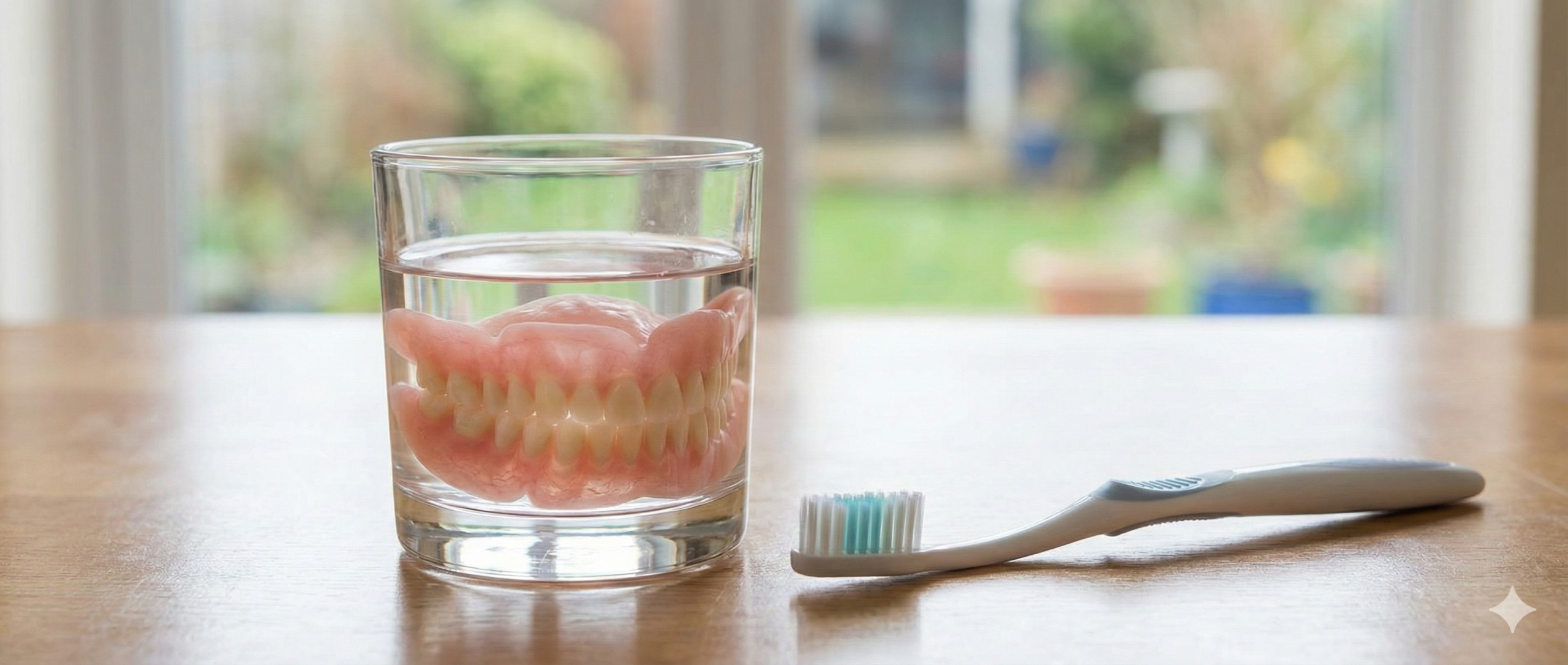
How Long Do You Have to Wait to Get Dentures After Teeth Are Pulled, and What Happens During the Process?
One of the most pressing concerns for Cookeville and Putnam County residents facing complete tooth extraction involves the timeline: “How long will I be without teeth?” This anxiety is entirely understandable—going days, weeks, or months without the ability to eat normally, speak clearly, or smile confidently creates legitimate concern about work, social obligations, and basic quality of life. Understanding the complete timeline from extraction through final denture delivery helps you plan appropriately and make informed decisions about immediate versus conventional denture approaches.
The answer to “how long do you wait for dentures after extractions?” depends primarily on which treatment pathway you choose. Immediate dentures are placed the same day as tooth extraction, meaning you never go without teeth—though these serve as temporary prosthetics requiring replacement after 3–6 months of healing. Conventional dentures are fabricated after complete healing (8–12 weeks post-extraction), providing superior fit and function but requiring you to manage without teeth during the healing period. Each approach offers distinct advantages and tradeoffs that Cookeville residents should understand before beginning treatment.
This comprehensive guide examines the complete timeline for dentures in Cookeville, from initial extractions through final prosthetic delivery. We’ll explore healing timelines, the differences between immediate and conventional dentures, how many teeth can safely be extracted in one appointment, what happens if you have minimal remaining bone structure, and realistic expectations about discomfort with same-day dentures. Whether you’re weighing denture costs or determining denture candidacy, understanding the procedural timeline helps you make decisions aligned with your personal circumstances, work schedule, and tolerance for being without teeth temporarily.
Table of Contents
How Long Do You Have to Wait? | How Long After Teeth Are Pulled? | How Long Do You Have No Teeth? | Do You Have No Teeth While Waiting? | How Many Teeth Can Be Removed? | Can Dentist Pull All Teeth at Once? | All Teeth Removed and Replaced? | What If No Gums Left? | How Painful Are Same-Day Dentures?
Key Takeaways (TL;DR)
Conventional dentures require 8–12 weeks of healing after extractions before fabrication begins, meaning you’ll be without teeth for approximately 3–4 months from extraction to final denture delivery.
Immediate dentures are placed the same day as tooth extraction, eliminating the period without teeth but serving as temporary prosthetics that require replacement after healing is complete (3–6 months).
Most dentists can safely extract all teeth in one appointment for medically stable patients, though some practitioners prefer staged extractions (upper and lower arches on separate dates) for patient comfort and healing management.
Same-day dentures cause moderate discomfort initially (4–6 on a 0–10 pain scale) from both the extraction surgery and new denture pressure, manageable with prescribed pain medication and typically improving significantly within 3–7 days.
Severe bone loss doesn’t prevent dentures but complicates retention—patients with minimal remaining ridge height may need implant-supported overdentures for adequate stability and function.
Complete healing involves both soft tissue and bone remodeling—while gums appear healed within 2–3 weeks, underlying bone continues changing shape for 3–6 months, which is why conventional dentures fit better than immediate dentures.
How Long Do You Have to Wait to Get Dentures After Teeth Are Pulled?
The waiting period between tooth extraction and denture delivery depends entirely on which treatment approach you select. Understanding both pathways helps Cookeville and Putnam County residents make informed decisions based on their priorities, work schedules, and tolerance for temporary inconvenience.
Conventional Dentures: The Standard Approach
Conventional dentures follow a methodical timeline that prioritizes final prosthetic quality over immediate tooth replacement:
The extended healing period before starting denture fabrication serves critical purposes. During the 8–12 weeks following extractions, jawbone undergoes substantial remodeling as it responds to the absence of tooth roots. The alveolar ridge—the horseshoe-shaped bone that supported teeth—changes shape and height as bone resorbs in areas that no longer experience chewing forces. Taking impressions before this remodeling completes results in dentures that don’t fit properly once healing finishes, requiring expensive remakes or extensive adjustments. Conventional dentures fabricated on fully healed, stable ridges provide superior fit, retention, and long-term satisfaction compared to immediate dentures placed at extraction.
Immediate Dentures: Same-Day Tooth Replacement
Immediate dentures eliminate the waiting period by providing prosthetics on extraction day:
- Pre-extraction appointments: Impressions taken while teeth still present, dentures fabricated in advance
- Extraction day: All teeth removed, immediate dentures inserted same day
- Adjustment period: Frequent appointments (weekly initially) for adjustments as tissues heal and ridges change
- Reline or replacement: After 3–6 months, permanent conventional dentures fabricated or immediate dentures extensively relined
Immediate dentures cost 10–20% more than conventional dentures due to additional laboratory work and multiple adjustment appointments, but they preserve appearance and function throughout healing. For Cookeville professionals, Tennessee Tech faculty, or anyone whose work involves public interaction, immediate dentures prevent the social and professional complications of being without teeth for months.
🤔 Which Approach Is Right for You?
Choose immediate dentures if: You cannot tolerate being without teeth for work/social reasons, have important events during the healing period (weddings, graduations, job interviews), or place high priority on continuous tooth presence despite higher cost and eventual replacement. Choose conventional dentures if: You can manage 3–4 months without teeth, prioritize superior final fit and lower total cost, work from home or in non-public-facing roles, or have strong family support during the healing period. Many Putnam County residents successfully navigate the conventional denture timeline through careful planning—scheduling extractions during vacation periods, adjusting diet to soft foods, and limiting social activities temporarily.
How Long After Your Teeth Are Pulled Can You Get Dentures?
This question often arises from patients hoping there’s a middle ground between immediate dentures (same day) and conventional dentures (3–4 months). Unfortunately, the biology of healing dictates these timelines—there’s no “rush” option that delivers permanent, well-fitting dentures in 2–4 weeks. The jaw bone requires 8–12 weeks minimum to stabilize after tooth extraction, and any dentures fabricated before this healing completes will fit poorly once bone remodeling finishes.
Some patients ask about getting “temporary” dentures after 2–3 weeks of healing rather than on extraction day. This approach combines the worst aspects of both methods: you endure weeks without teeth (defeating the purpose of immediate dentures), then receive dentures on tissue that’s still changing significantly (compromising the superior fit of conventional dentures). Dentists rarely recommend this middle-ground approach for these reasons.
The practical answer: you can get dentures the same day teeth are pulled (immediate dentures) or after 8–12 weeks of complete healing (conventional dentures). These represent the two evidence-based pathways that deliver acceptable outcomes. Cookeville residents should select the approach that best matches their circumstances rather than seeking shortcuts that compromise results.
How Long Do You Have No Teeth When Getting Dentures?
The duration you’re without teeth depends entirely on your treatment choice:
For patients choosing conventional dentures who cannot tolerate being completely without teeth, some Cookeville dentists offer modified approaches: fabricating a transitional removable partial denture that provides front teeth for appearance while leaving extraction sites open for healing. This “flipper” appliance restores smile aesthetics without fully covering healing tissues, though it doesn’t provide significant chewing function. Cost for these transitional appliances runs $300–$800, representing an additional expense beyond conventional denture fees.
Do You Have No Teeth While Waiting for Dentures?
Yes, if you choose the conventional denture pathway, you will be completely without teeth during the 8–12 week healing period plus the 4–6 weeks required for denture fabrication. This totals approximately 3–4 months without teeth from extraction day to final denture delivery. Many Putnam County residents successfully navigate this period through practical adaptations:
- Diet modification: Soft foods (mashed potatoes, scrambled eggs, smoothies, yogurt, soup, pasta, ground meats, steamed vegetables) provide adequate nutrition without requiring teeth
- Work accommodations: Scheduling extractions before vacation periods, working from home during initial healing, or adjusting job duties temporarily if possible
- Social planning: Limiting social engagements during healing, being selective about which events to attend, honest communication with close friends and family
- Temporary cosmetic solutions: Some patients use partial “flipper” dentures just for front teeth appearance (not full function)
While challenging, thousands of people throughout the Cookeville area and broader Tennessee successfully complete conventional denture treatment annually. The superior fit and lower cost of conventional dentures compared to immediate dentures make this temporary inconvenience worthwhile for many patients, particularly retirees, those with flexible work arrangements, or patients who can plan around the healing timeline.
How Many Teeth Can You Have Taken Out at Once?
From a purely medical standpoint, there’s no absolute limit on the number of teeth that can be safely extracted in a single appointment for medically stable patients. Dentists and oral surgeons routinely extract 10, 15, 20, or even all 32 teeth in one sitting when indicated for denture treatment. The limiting factors involve patient comfort, healing management, and practitioner preference rather than safety concerns.
Factors Influencing Number of Extractions Per Appointment
- Patient medical status: Healthy patients tolerate multiple extractions better than those with diabetes, heart disease, or immune compromise
- Tooth condition: Simple extractions (intact teeth with healthy bone) are faster and easier than surgical extractions (broken teeth, impacted teeth, severe bone loss)
- Sedation availability: IV sedation or general anesthesia allows completion of extensive extractions in one appointment with minimal patient awareness; local anesthesia alone may limit tolerance
- Practitioner philosophy: Some Cookeville dentists prefer staged extractions (upper arch one appointment, lower arch 2–4 weeks later) to allow healing before the second surgery
- Post-operative care capacity: Patients need adequate support at home for the first 24–48 hours after extensive extractions
Most commonly, dentists extract all remaining teeth in one appointment for patients receiving immediate dentures (since the dentures are inserted immediately) or in one or two appointments for conventional denture patients (sometimes staging upper and lower arches separately).
Can a Dentist Pull All Your Teeth at Once for Dentures?
Yes, dentists and oral surgeons absolutely can and frequently do extract all remaining teeth in a single appointment when preparing patients for complete dentures. This approach offers several advantages:
- Single recovery period: One healing phase rather than enduring surgery and recovery multiple times
- Cost efficiency: Single sedation fee, single appointment fee, less time away from work
- Synchronized healing: Upper and lower arches heal simultaneously, ready for denture fabrication at the same time
- Psychological benefit: Many patients prefer getting the difficult part completed in one appointment rather than dreading a second surgery
The procedure typically takes 1–3 hours depending on the number of teeth, their condition, and whether bone recontouring (alveoloplasty) is performed to create smooth ridges. Patients receive local anesthesia for all extraction sites, often supplemented with oral sedation, nitrous oxide (laughing gas), IV sedation, or general anesthesia based on anxiety levels and medical history. For nervous patients in the Cookeville area, sedation dentistry makes full-mouth extraction quite tolerable.
Can I Have All My Teeth Removed and Replaced With Dentures?
Yes, having all teeth extracted and replaced with dentures represents a common and well-established dental treatment. Approximately 36 million Americans currently wear complete dentures, and hundreds of thousands undergo full-mouth extractions annually for denture placement. However, this decision should follow careful consideration of alternatives, particularly for younger patients or those with teeth that could potentially be saved through restorative treatment.
Appropriate situations for elective full-mouth extraction and dentures include:
- Extensive dental disease: Multiple teeth with severe decay, advanced periodontal disease, or failed previous restorations where saving teeth would require expensive comprehensive treatment
- Financial constraints: Cost of saving teeth through root canals, crowns, and gum treatment exceeds denture costs significantly
- Medical conditions: Severe dental infections creating systemic health risks requiring urgent tooth removal
- Patient preference: After thorough discussion of alternatives, informed patients may choose dentures for predictability and definitive resolution of chronic dental problems
⚠️ Important Consideration for Younger Patients
Cookeville residents under age 50 should exercise particular caution when considering elective full-mouth extraction. The progressive bone loss accompanying denture wear accumulates over decades—a 35-year-old who chooses dentures faces 40–50 years of continued bone resorption. By age 70–80, this bone loss may create severe retention problems and dramatically aged facial appearance. For younger patients, every effort should be made to preserve natural teeth or pursue dental implants that maintain bone structure. Consult with an experienced Cookeville dentist about long-term implications before proceeding with elective extractions if you have decades of life ahead.
What Happens If I Have No Gums Left for Dentures?
Patients sometimes express concern about having “no gums left,” but this typically reflects a misunderstanding of oral anatomy. What patients perceive as “lost gums” is actually severe bone loss beneath the gum tissue. The gum tissue (gingiva) itself remains but has receded to follow the reduced bone level underneath. Even with extreme bone resorption, some gum tissue always covers the remaining jawbone—it’s the bone height and width that determines denture retention capacity, not gum tissue presence.
When patients have severe bone loss creating very flat, minimal ridges, several options exist:
- Conventional dentures with adhesive: Even flat ridges can support dentures with generous use of denture adhesive, though retention remains challenging and eating is restricted to very soft foods
- Precision denture fabrication: Highly skilled prosthodontists can maximize retention even with poor anatomy through meticulous impression techniques and proper denture design
- Implant-supported overdentures: Two to four dental implants placed in remaining bone provide anchor points for snap-on dentures, dramatically improving retention regardless of ridge height
- Bone grafting: Surgical augmentation of severely resorbed ridges followed by conventional or implant-supported dentures, though expensive and time-intensive
For Putnam County residents with severe bone loss, consultation with an experienced prosthodontist or implant dentist helps identify which approach offers the best balance of function, comfort, and affordability given your specific anatomical situation. Even patients with extremely challenging anatomy can achieve functional tooth replacement through appropriate treatment selection.
How Painful Are Same-Day Dentures?
Same-day dentures (immediate dentures) create moderate discomfort from the combination of extraction surgery and new denture pressure, but pain levels remain manageable with appropriate medication and typically improve dramatically within the first week. Understanding realistic expectations helps Cookeville residents prepare appropriately:
Expected Pain Timeline
- Day 1 (extraction day): Moderate to significant pain (5–7 on 0–10 scale) from surgery trauma, managed with prescribed narcotic pain medication; dentures feel bulky and foreign
- Days 2–3: Pain gradually decreasing (4–6 on scale), swelling peaks around 48–72 hours, prescription pain medication still needed regularly
- Days 4–7: Pain continues improving (2–4 on scale), transition from prescription to over-the-counter pain relievers, some sore spots developing from denture pressure
- Weeks 2–4: Extraction pain resolved, remaining discomfort primarily from denture adjustments needed as swelling subsides and tissues change
Pain Management Strategies
Effective pain control for immediate dentures involves multiple approaches:
💊 Medication Protocol
Days 1–3: Prescribed narcotic pain reliever (hydrocodone, oxycodone) every 4–6 hours as needed
Days 4–7: Transition to ibuprofen 600mg every 6 hours plus acetaminophen 500mg if needed
Week 2+: Over-the-counter pain relievers only as needed for sore spots
❄️ Swelling Control
Ice packs applied 20 minutes on/20 minutes off during first 48 hours, head elevated when resting (sleep with extra pillows), avoid strenuous activity for first week
🍲 Dietary Modifications
Soft, cool foods for first week (smoothies, pudding, mashed potatoes, scrambled eggs, yogurt), avoid hot foods that increase bleeding, progress gradually to firmer textures as healing allows
Most Cookeville patients describe same-day dentures as “uncomfortable but tolerable” rather than excruciating. The pain is comparable to having multiple teeth filled or other significant dental work—not pleasant, but manageable with appropriate medication and typically improving rapidly. By week two, most patients report that discomfort relates more to denture adjustments than extraction pain.
Planning Your Denture Timeline in Cookeville
Understanding the complete timeline from extraction through final denture delivery helps you plan appropriately for work, social obligations, and practical needs during treatment. Whether you choose immediate dentures for continuous tooth presence or conventional dentures for superior fit, comprehensive dental care in Cookeville provides multiple pathways to successful tooth replacement.
Hayes Family Dentistry serves patients throughout Cookeville, Algood, Baxter, and the broader Putnam County area with experienced denture care including both immediate and conventional approaches. During your consultation, we’ll discuss timeline expectations, pain management strategies, healing requirements, and practical planning to ensure your denture treatment proceeds smoothly from extraction through final delivery.
Schedule an evaluation at our convenient location near Tennessee Tech University and Cookeville Regional Medical Center to discuss your specific timeline, explore whether immediate or conventional dentures best suit your circumstances, and develop a comprehensive treatment plan aligned with your schedule and needs.
About the Author
Dr. Kevin Hayes is a family dentist serving Cookeville, TN, and Putnam County with expertise in full-mouth rehabilitation including tooth extractions, immediate dentures, conventional denture fabrication, and implant-supported prosthetic solutions. Hayes Family Dentistry, conveniently located at 620 E 10th St near Tennessee Tech University and Cookeville Regional Medical Center, provides comprehensive treatment planning and compassionate care for patients throughout the denture process from initial consultation through final delivery and beyond. Learn more about Dr. Hayes.
Sources & References:
- American Dental Association (ADA) – www.ada.org
- American College of Prosthodontists – www.prosthodontics.org
- Journal of Prosthetic Dentistry – Clinical Studies on Immediate vs. Conventional Dentures
- National Institute of Dental and Craniofacial Research (NIDCR) – www.nidcr.nih.gov
- International Journal of Oral and Maxillofacial Surgery – Healing Timelines After Tooth Extraction
Last reviewed: December 2025
